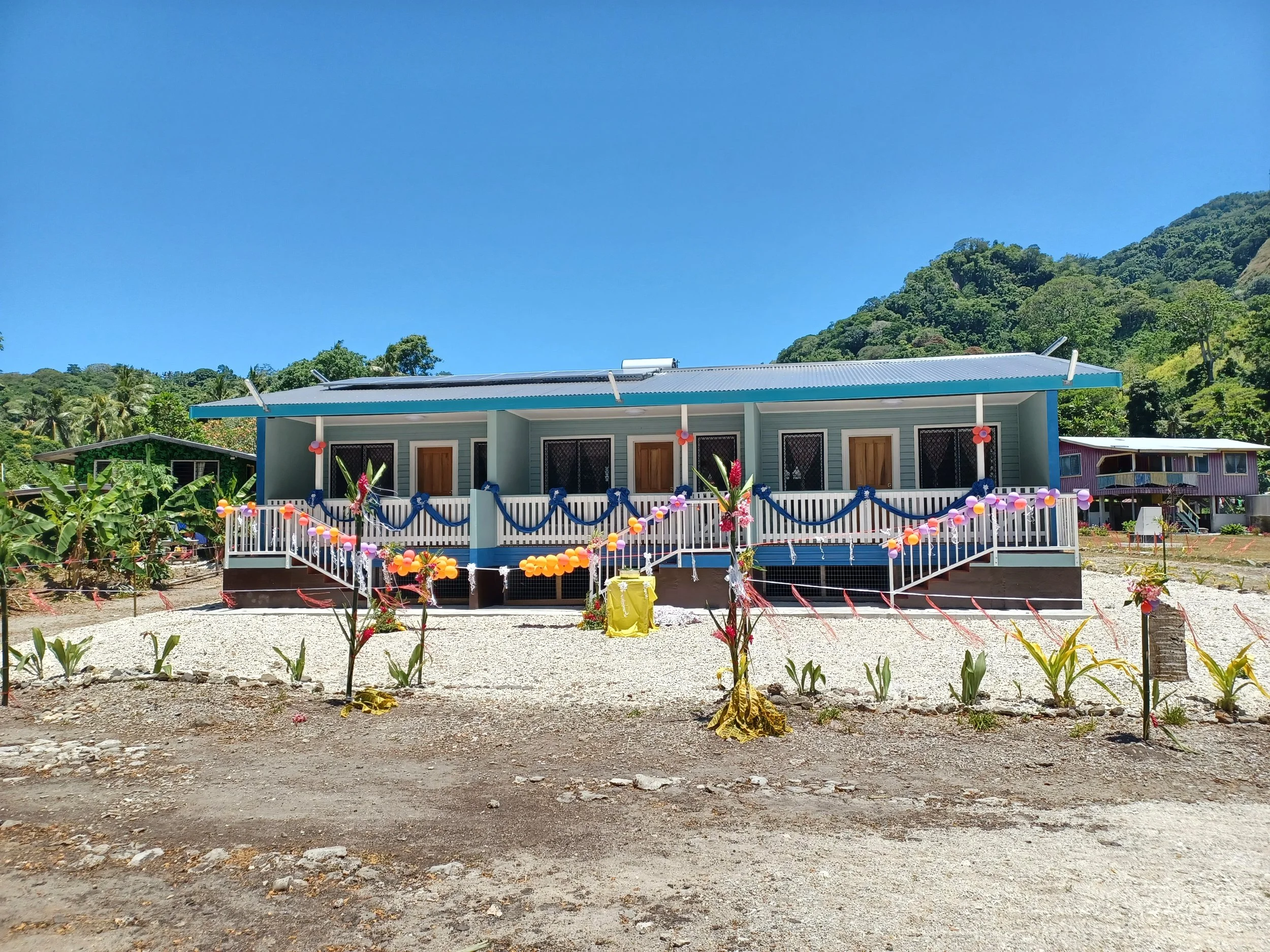
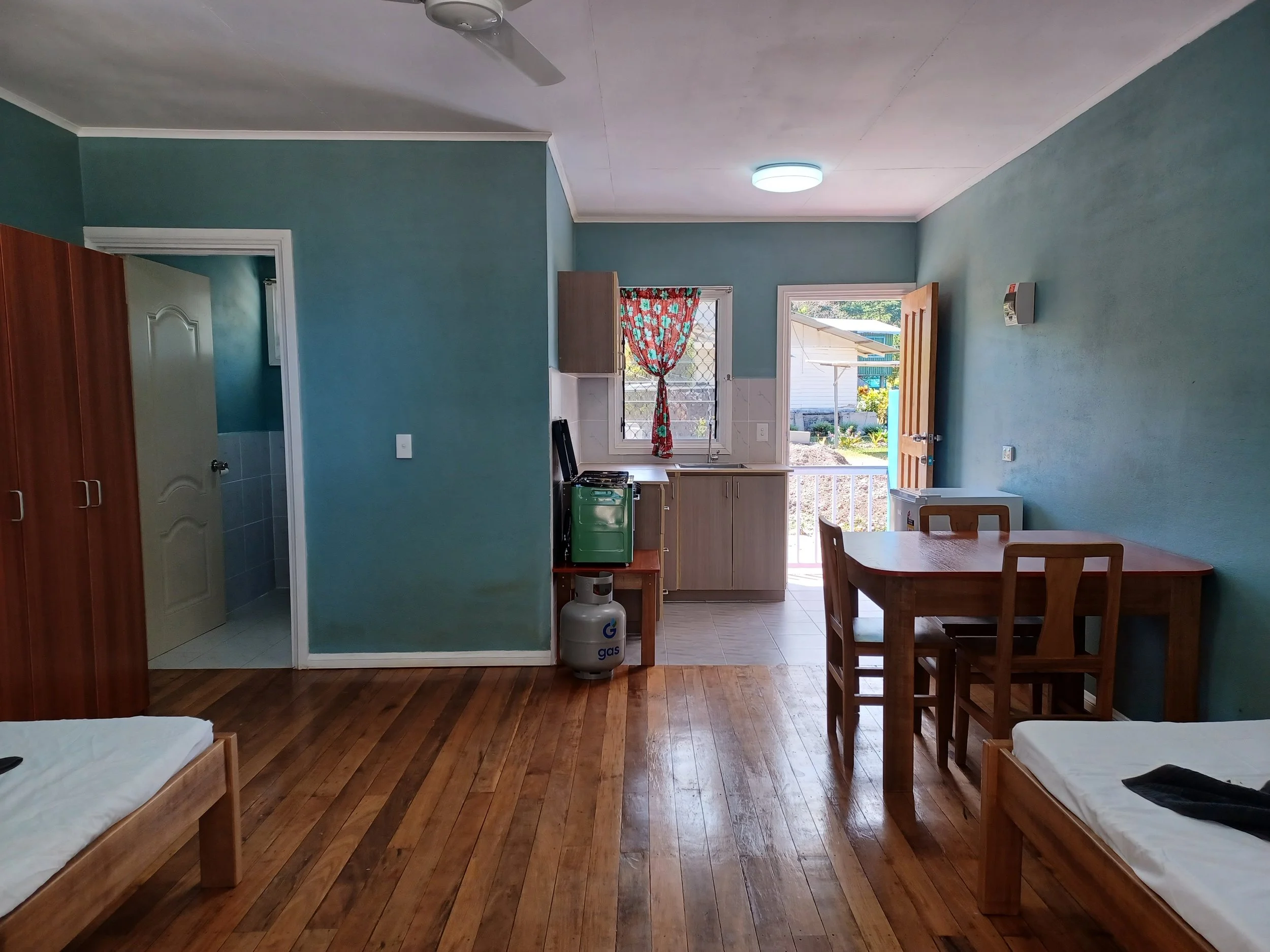
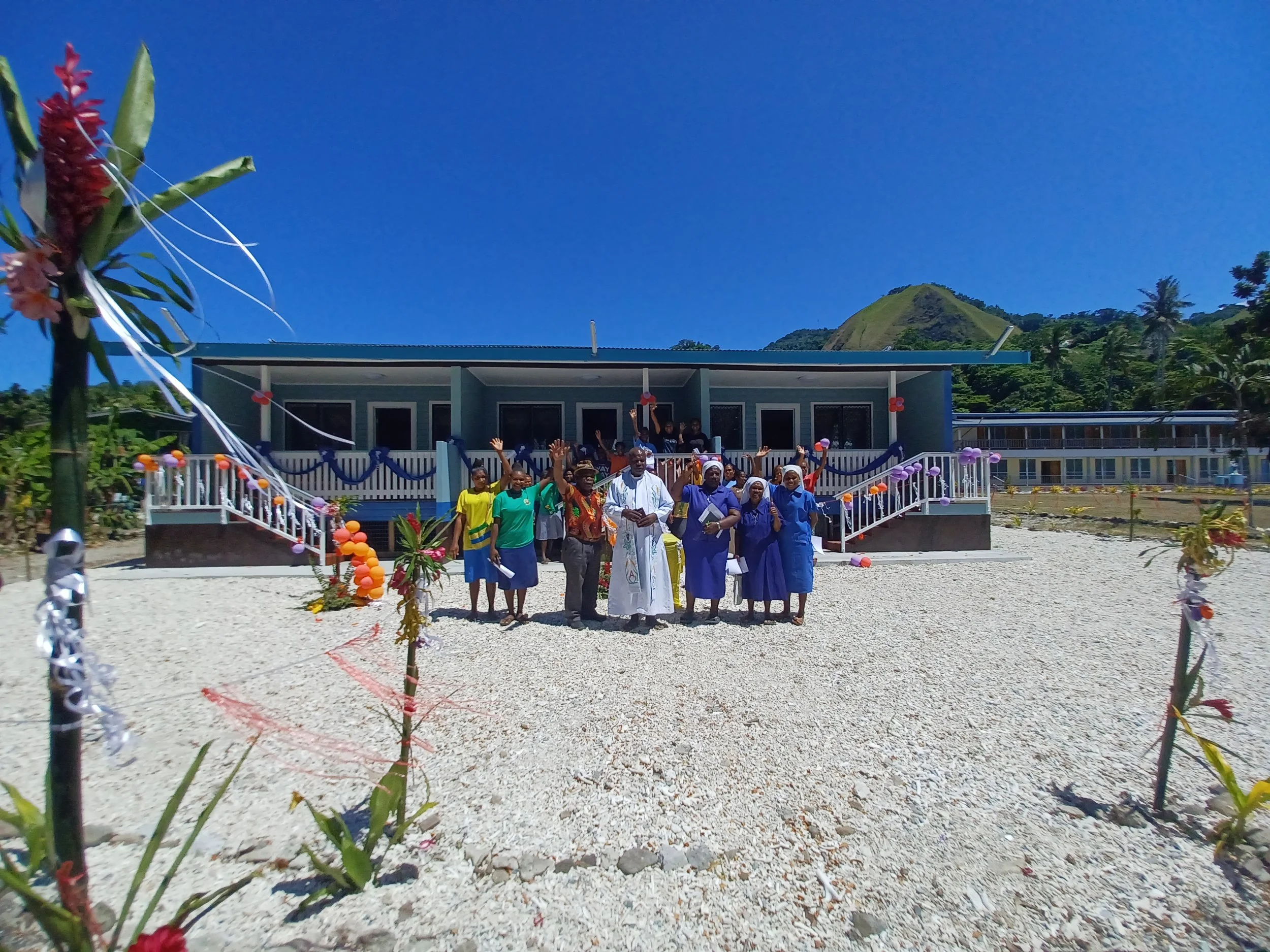
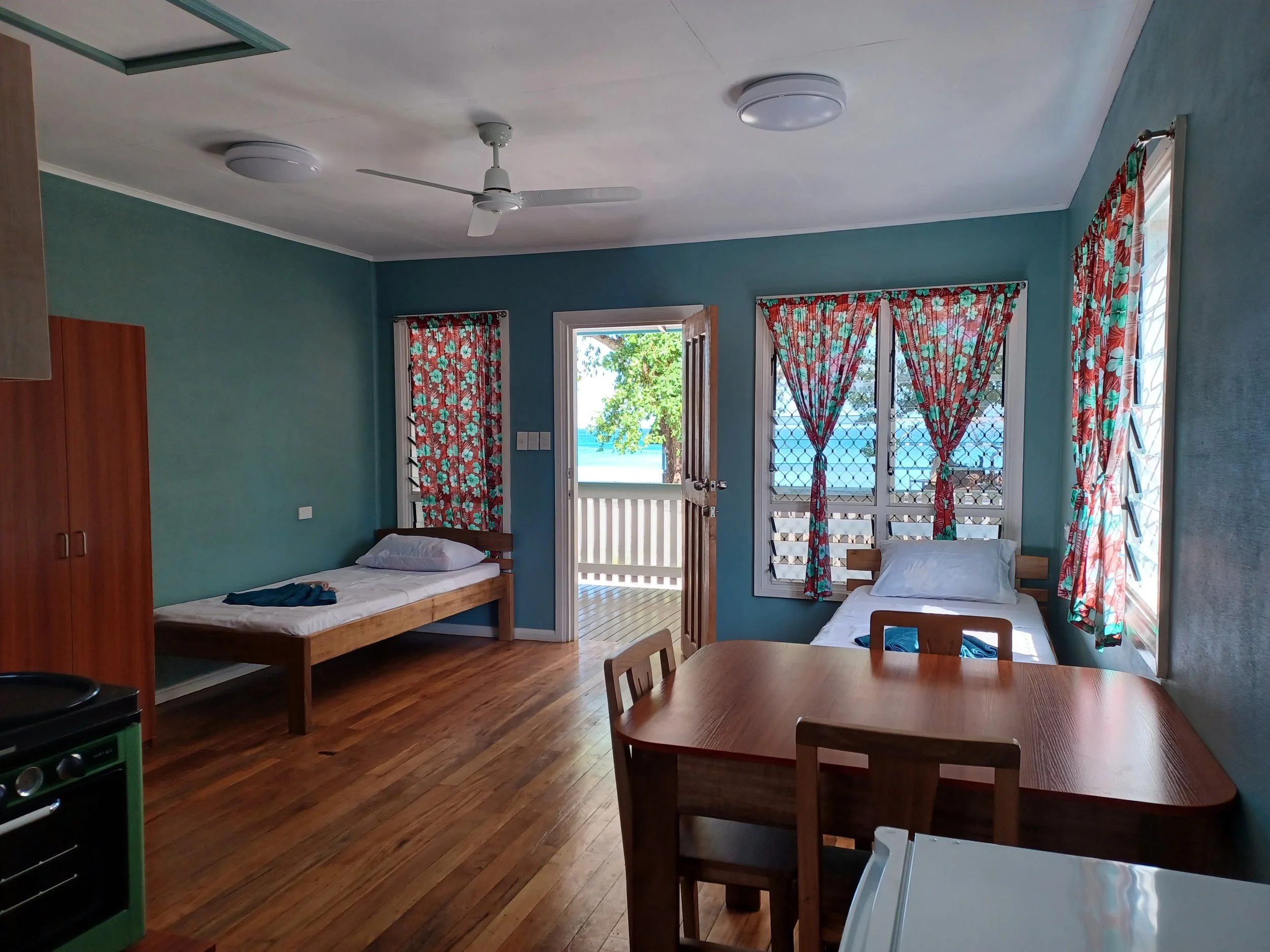
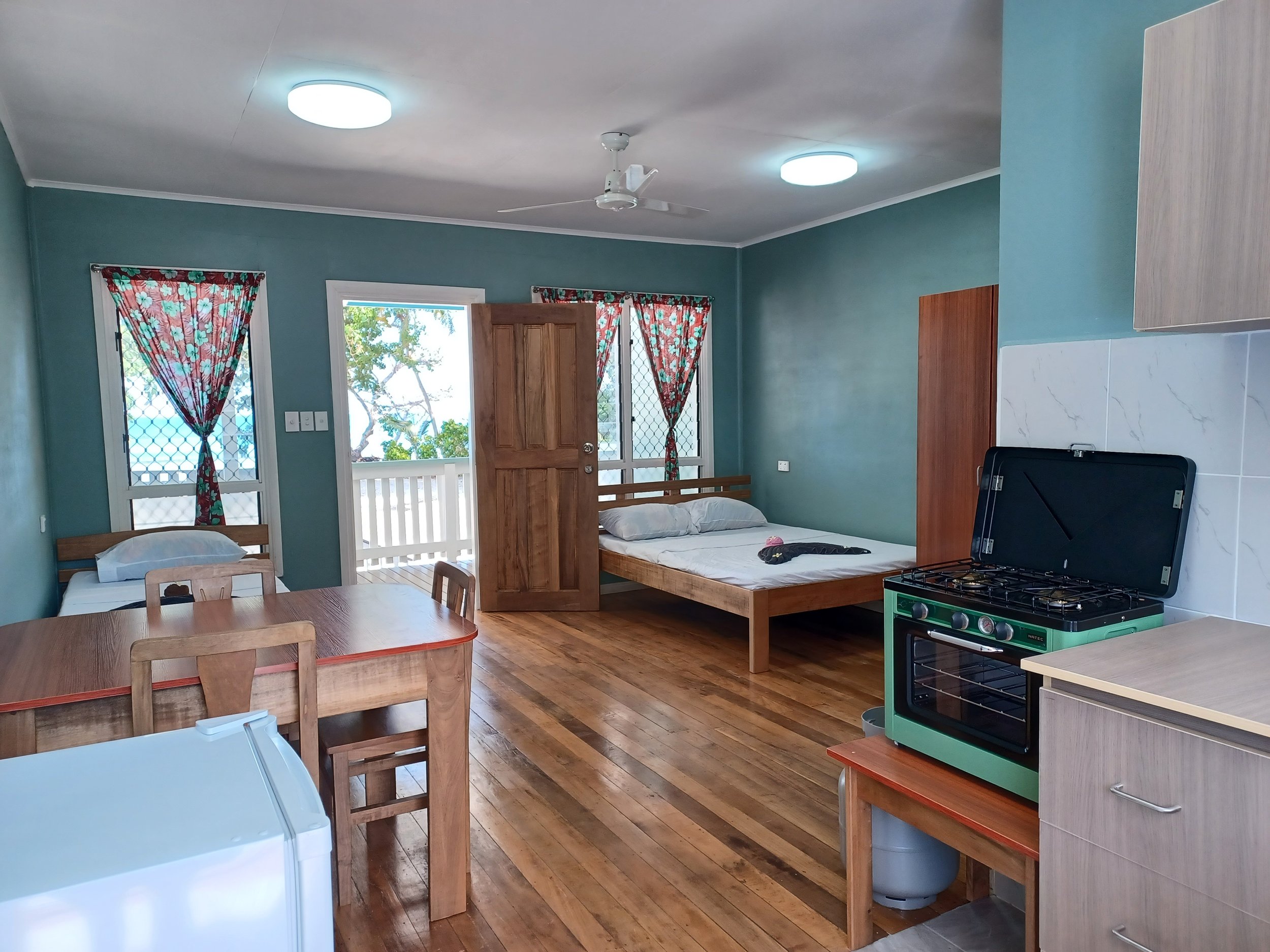
The DIVIT Rural Training Centre for Young Women and Girls in Solomon Islands, has celebrated an important milestone - the completion of a new three-room hospitality guesthouse.
The facility will give young women enrolled in the Centre’s hospitality program valuable hands-on experience in a real-world setting, allowing them to develop practical skills in catering, housekeeping and customer service.
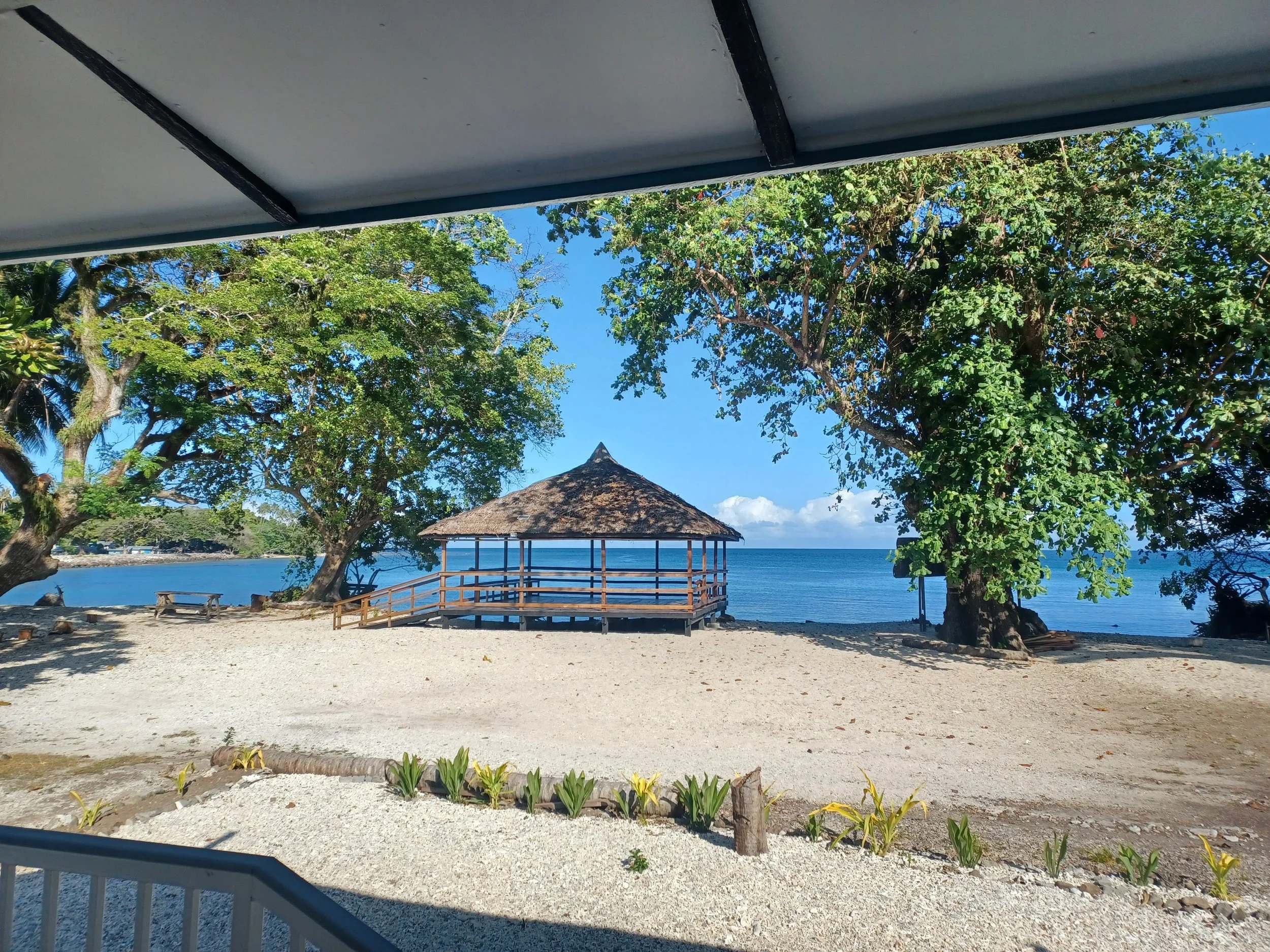
The guesthouse will also provide comfortable accommodation for trainers, volunteers and other visitors supporting the Centre’s work. It will further offer visitors and residents of Honiara an opportunity to experience Guadalcanal’s natural beauty, away from the bustle of the capital.
Filling The Gap
Until now, students in the hospitality program have lacked a dedicated space in which to practise their skills. The new facility addresses this gap, creating a safe and well-equipped learning environment while giving students practical experience in managing guest accommodation and hospitality services.
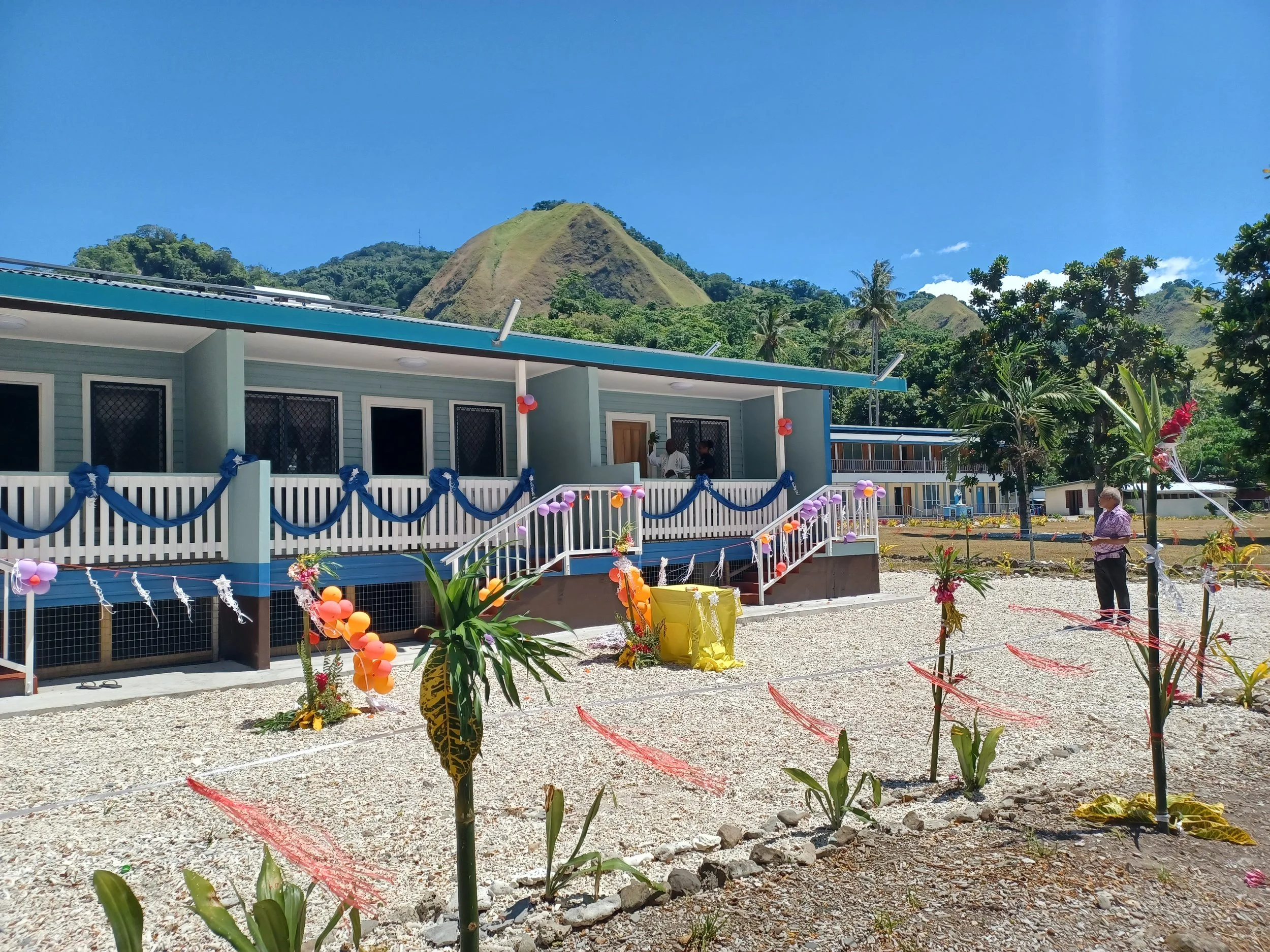
The project supports DIVIT’s commitment to expanding opportunities for young women across Solomon Islands, with the Centre aiming to graduate 100 female students each year equipped with practical skills for employment and greater independence.
Locally led
The initiative is also an example of locally-led development. It was identified and initiated by the Daughters of Mary Immaculate (DMI) Sisters, teachers and students, who recognised the need for better practical learning facilities through community consultations and a root cause analysis.
Thanks to the generous support of Marist Mission Centre (MMC), AMS alongside the DMI Sisters, were able to carry out this project to completion and on time.
A long history
Established in 1972 and officially registered as a vocational training school in Honiara in 1999, DIVIT is a residential institution managed by the DMI Sisters under the Catholic Archdiocese of Honiara.
The Centre provides a two-year accredited skills training program for young women aged 18–25, with courses in hospitality and tourism, agriculture, simple carpentry, computer training, budgeting, communication and values education.
Many students come from economically disadvantaged families, remote islands and ethnic minority backgrounds. Welcoming young women from all provinces and faith traditions, the Centre provides an inclusive learning environment and opportunities for those who may otherwise have limited access to further education and vocational training.
View more pics: